
Stay Ready: 25 Years of Real Survival Secrets Revealed
From Hollywood sets to off-grid living—lessons you can't afford to miss

|
Welcome to Black Prepr!
The preparedness industry just hit $2.48 billion, and we’re breaking down what that means for you—plus the survival wisdom, energy independence strategies, and community resilience insights you need to stay ready.
What’s in this issue:
- 💰 The $2.5B survival tools market: What it means for informed preppers and Black-owned business opportunities
- ⚡ Off-grid energy revolution: Why lithium batteries are changing the game for energy independence
- 🎒 25 years of survival TV wisdom: A producer’s unglamorous but essential gear list
- 🧠 Mental health in disaster planning: The hidden cost of repeated emergencies
- 🌱 Food sovereignty blueprint: How Mexico achieved bean self-sufficiency
💡 Quote of the Day
“The ultimate survival secret? Finding humor in absurd, dangerous moments. Attitude matters more than any piece of gear you can buy.”
— Rachel Maguire, Survival TV Producer with 25 Years Field Experience
📰 Latest News
🔗 The Business of Being Prepared: Survival Tools Market Hits $2.48 Billion (16 minute read)
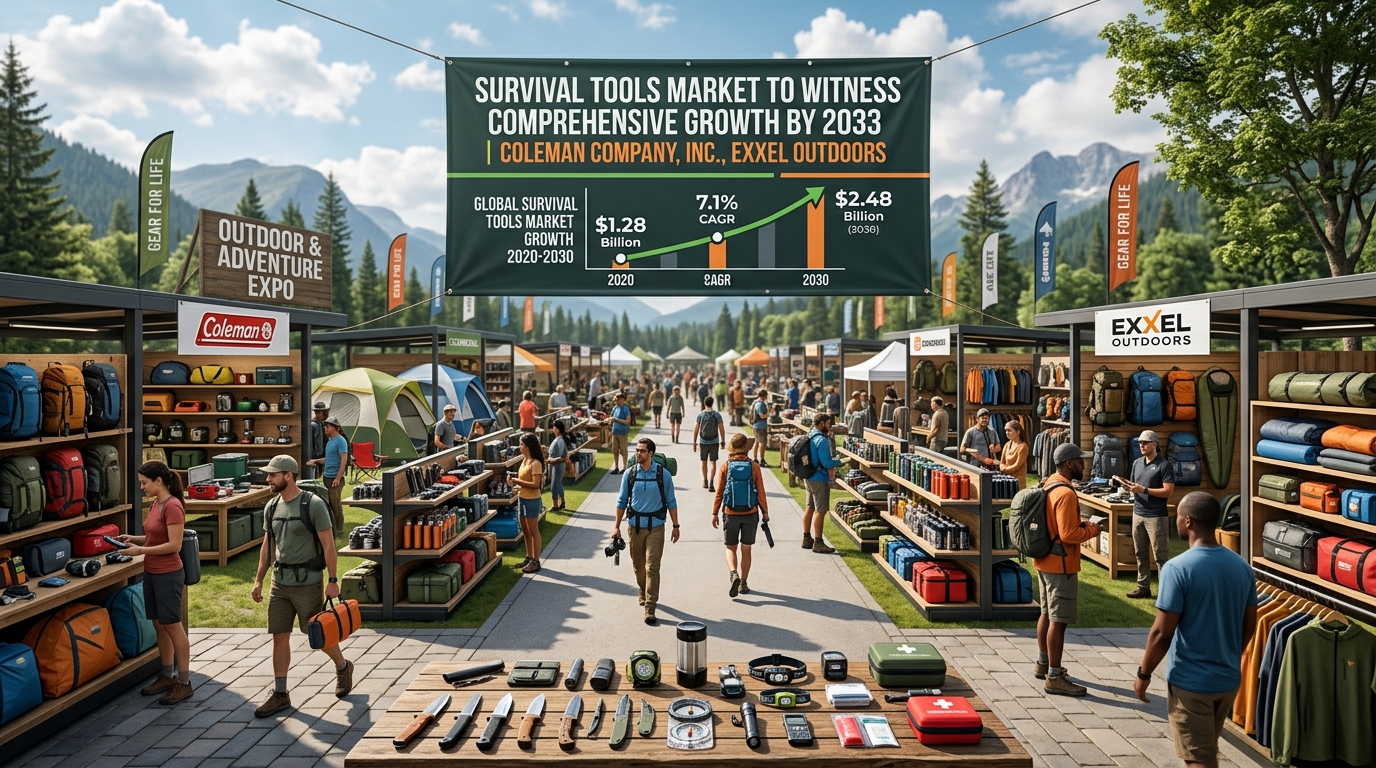
The global survival tools market is experiencing explosive growth, jumping from $1.28 billion in 2020 to a projected $2.48 billion by 2030—a 7.1% compound annual growth rate. This boom is driven by increased outdoor recreation participation, product innovation, and growing health consciousness. The market encompasses everything from pocket tools and first aid kits to compasses and safety equipment, with major players like Coleman Company, Exxel Outdoors, and Leatherman Tool Group leading the charge.
Key Points:
- North America currently leads market share, while Asia-Pacific shows the fastest growth at 9.9% CAGR—signaling a global shift in preparedness mindset
- Distribution channels include specialty stores, supermarkets, and online platforms, with applications spanning hiking, hunting, fishing, and camping
- Counterfeit products and limited penetration in emerging markets pose significant challenges to quality and accessibility
Why it matters: This isn’t just market data—it’s validation that preparedness is mainstream and economically significant. Understanding these trends helps Black Prepr readers make informed purchasing decisions, distinguish quality brands from dangerous counterfeits, and potentially identify entrepreneurial opportunities in the growing preparedness sector. As the industry expands, there’s unprecedented opportunity for Black-owned businesses to capture market share and serve our community with trusted, quality survival tools.
🔗 Off-Grid Energy Independence: Making the Lithium Battery Switch (3 minute read)
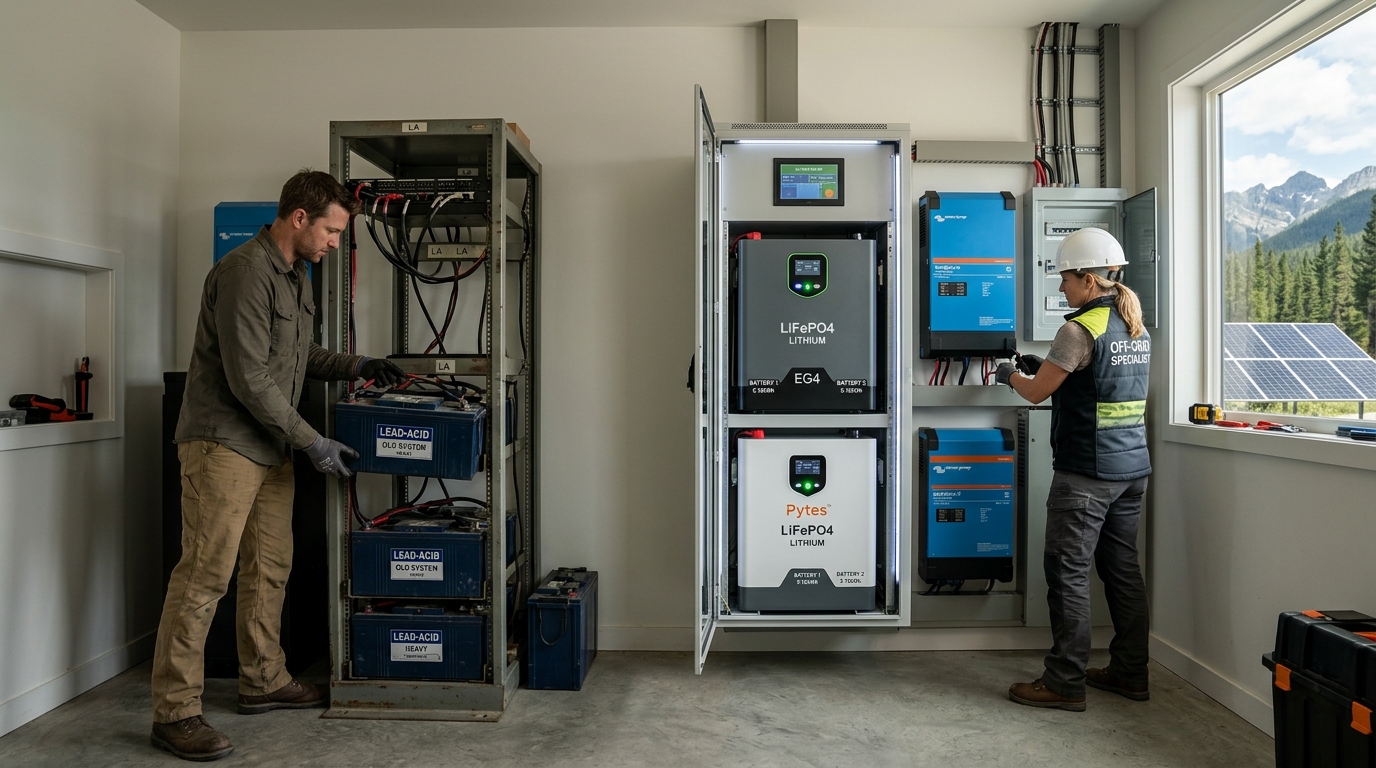
Off-grid living is gaining serious traction as homeowners seek energy independence, resilience, and protection from rising utility costs. While lead-acid batteries have dominated for decades, LiFePO4 lithium batteries are revolutionizing the market with game-changing advantages. Lithium offers 80–100% usable capacity compared to lead-acid’s measly 25–50%, enabling smaller, more efficient systems with minimal maintenance.
Key Points:
- Lithium batteries provide 3-4 times more usable energy than lead-acid equivalents, reducing system size and long-term costs
- Cold-climate installations require heated spaces since lithium cannot charge below 32°F, while lead-acid operates across broader temperature ranges
- Existing inverters and charge controllers must be lithium-compatible, potentially requiring system upgrades before switching
Why it matters: Energy independence isn’t just about being eco-friendly—it’s about resilience when the grid fails and self-sufficiency when SHTF. This practical guidance helps readers planning off-grid transitions make informed decisions about battery technology, understand critical planning considerations, and avoid costly mistakes. With proper system evaluation, switching to lithium improves performance while reducing long-term costs, making true energy independence more achievable.
🔗 Real-World Survival Wisdom: 25 Years of Extreme Conditions (7 minute read)
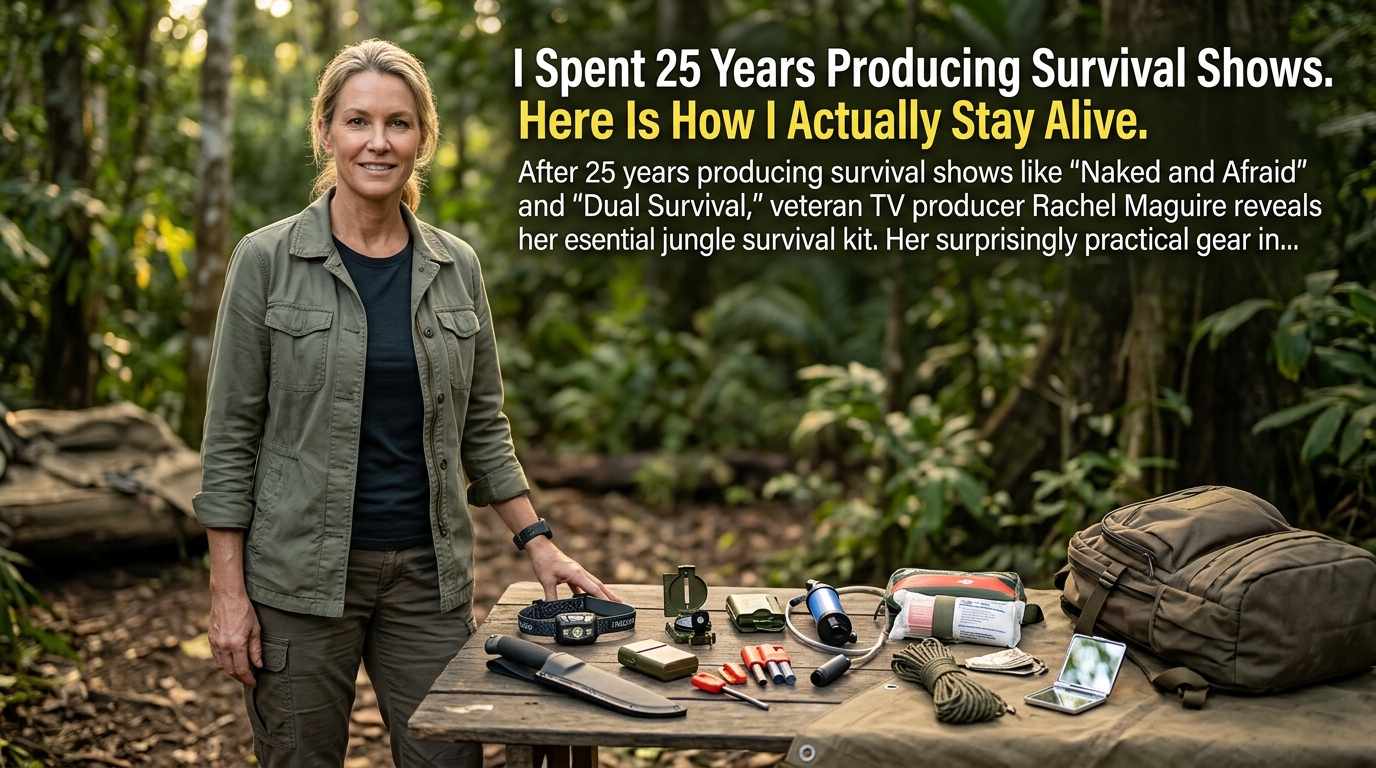
After 25 years producing survival shows like ‘Naked and Afraid’ and ‘Dual Survival,’ veteran TV producer Rachel Maguire is revealing her essential jungle survival kit—and it’s surprisingly unglamorous. Her gear includes a military-grade rain poncho, portable boot dryers, reliable multi-tools, waterproof gloves, and snake guards. But beyond equipment, Maguire emphasizes that attitude matters most: maintaining positivity and embracing discomfort are crucial survival skills.
Key Points:
- Practical essentials include DEET insect repellent, Gold Bond powder for moisture management, a hydration backpack, citronella candles, and a simple bandana
- Mental resilience and humor in absurd, dangerous moments often matter more than expensive gear
- Real survival depends on practical preparation, not fancy equipment—tested wisdom from someone who’s been there
Why it matters: This isn’t theoretical survival advice from someone who watched YouTube videos—it’s battle-tested wisdom from 25 years in the harshest environments on Earth. Maguire’s emphasis on practical gear choices and mental resilience over expensive equipment resonates perfectly with budget-conscious preppers. Her real-world experience proves that surviving extreme conditions depends more on smart preparation and the right mindset than dropping thousands on tactical gear catalogs.
🔥 Trending
-
Veteran-Owned Mountain Ready Delivers Premium Tactical Gear: South Carolina-based company specializes in equipment for first responders, preppers, and outdoor enthusiasts, offering military discounts and rigorous product testing
-
Mexico’s Food Sovereignty Success: Bean Self-Sufficiency Achieved: Production hit 1.2 million tons in 2025, with improved seeds boosting yields by 42%—a blueprint for community food planning
-
Hybrid Renewable Energy for Remote Communities: Study shows PV-wind-battery systems achieving energy costs as low as $0.033/kWh for underserved villages, proving renewable self-reliance is economically viable
-
Prehospital Whole Blood Transfusions Save Lives: AtlantiCare EMS becomes first in southeastern New Jersey to administer life-saving blood directly at emergency scenes, addressing leading preventable cause of trauma death
⚡ Quick Hits
🎯 The Hidden Cost of Disasters: Mental Health in Community Preparedness
Groundbreaking research from 145 Houston residents in historically underserved communities reveals how repeated disasters create chronic psychological strain while limiting mental health access. The study identified residents living in “survival mode” with persistent anxiety, barriers including stigma and costly care, and urgent needs for community-embedded mental health services. This challenges disaster response models focused solely on acute phases, demanding sustained, culturally responsive mental health support integrated into long-term recovery. (Read more)
🎯 Wright-Patterson Builds Fire Readiness Through Multi-Agency Training
Wright-Patterson Air Force Base hosted six-day wildland fire training bringing together military personnel, U.S. Forest Service, and Ohio Department of Natural Resources. Participants gained critical knowledge about weather, topography, and vegetation impacts on fire dynamics, strengthening regional emergency response capabilities. The collaborative approach demonstrates how communities can organize multi-stakeholder preparedness partnerships. (Read more)
🎯 UNC Research Creates Flood Database for Vulnerable Communities
UNC doctoral student Helena Garcia built a comprehensive flood database identifying repetitive flooding hotspots to protect vulnerable communities. The research, recognized with a 2026 Impact Award, provides critical data for disaster planning and identifying at-risk areas—essential tools for community resilience building. (Read more)
🎓 Industry Insight
Understanding the Preparedness Economy: Your Role as Consumer and Potential Entrepreneur
The $2.48 billion survival tools market isn’t just a number—it’s proof that preparedness has moved from fringe to mainstream. This economic validation creates both opportunities and risks for our community.
As informed consumers, understanding market dynamics helps you avoid counterfeit products that could fail when you need them most. The Asia-Pacific region’s 9.9% growth rate signals a global mindset shift toward self-sufficiency and emergency readiness. Major players like Coleman, Leatherman, and Exxel Outdoors dominate, but this growing market presents unprecedented opportunities for Black-owned businesses to serve our community with trusted, quality products.
The market segments tell you where to focus your preparedness budget: first aid kits, pocket tools, compasses, and safety equipment across hiking, hunting, fishing, and camping applications. Distribution through specialty stores, supermarkets, and online channels means accessibility is improving, but discernment is critical. Support quality brands, verify authenticity, and consider how you might participate in this growing sector—whether as an informed consumer, a reviewer helping others make smart choices, or an entrepreneur capturing market share to build generational wealth while serving your community’s preparedness needs.
❓ Question of the Day
What’s your biggest priority when investing in survival/preparedness gear?
- A) Quality and durability over price
- B) Multi-functionality and versatility
- C) Affordability and budget-friendly options
- D) Supporting Black-owned or veteran-owned businesses
👋 Wrap Up
Today’s issue highlighted the explosive growth of the preparedness industry and what it means for you as both consumer and potential business participant. From the $2.48 billion survival tools market to lithium battery breakthroughs enabling true energy independence, we’ve covered the economic and practical foundations of preparedness in 2026.
Rachel Maguire’s 25 years of survival wisdom reminds us that mindset matters more than expensive gear, while research from Houston’s underserved communities shows why mental health must be part of every preparedness plan. Mexico’s food sovereignty success and renewable energy case studies prove that self-sufficient communities aren’t just possible—they’re economically viable. Stay ready, support quality brands, and consider how you can help build Black economic power in the growing preparedness sector.
Stay Ready,
Black Prepr Editor
📊 How did you like today’s email?
Enjoyed this issue?
Subscribe to get Black Prepr delivered to your inbox every week.
Join 2 other subscribers • Free forever